Made in USA
What Are Mattress Dust Mites?
Dust mites are microscopic creatures that can live by the millions in your bed. They are only a fraction of a millimeter long, too small to see with the naked eye. The average bed gives them the warmth, humidity and food they need to grow and reproduce. Adult mites usually live for one to three months. Their main food is the dead skin we shed every night. As a result, their waste particles build up in bedding. Those particles are the allergen that triggers allergic reactions, aggravates asthma and can worsen eczema in children.
Signs of a Mite Allergy
The easiest way to tell if you have a problem is to notice your symptoms. A dust mite allergy can cause a runny or itchy nose, sneezing and nasal congestion. If you have asthma, mites can also make you wheeze more than normal and need more asthma medicine, especially at night. The Mayo Clinic notes that symptoms are often worse while sleeping or cleaning.
Do All Beds Have Dust Mites?
Nearly every bed has some dust mites. However, several factors affect how likely they are to cause problems. Mites thrive in humidity, so the more humid your home or climate, the more of them you are likely to have.
The materials in your mattress also matter. Mites love polyurethane foam, which most mattress makers use. Its open-cell honeycomb structure is a perfect apartment complex for them.
Can Dust Mites Live in Latex Mattresses?
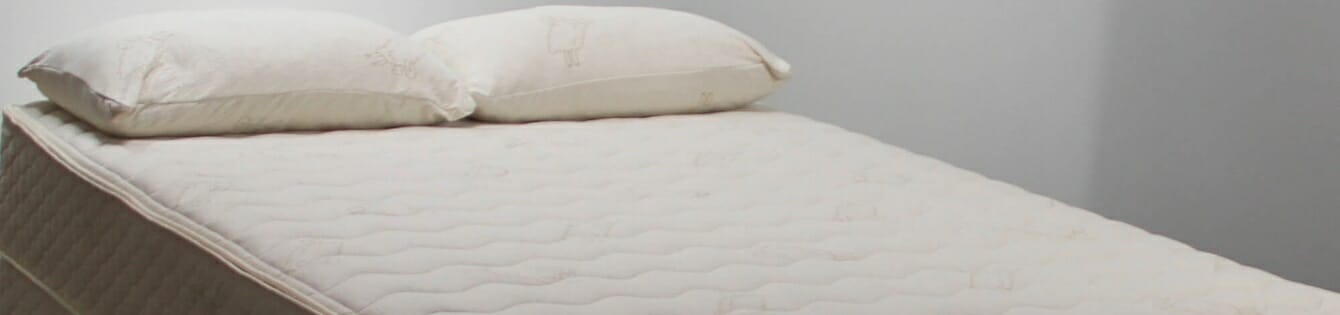
At FloBeds, we don’t use any polyfoam in our natural latex mattresses. Instead, we use wool on top of Talalay latex. Wool is dry and porous, so mites and other allergens have a harder time settling in. Likewise, latex is naturally resistant to mites and doesn’t give them a hospitable place to live. So, can they live in a latex mattress? It’s possible, but much less likely. In short, if you sleep on natural latex, dust mites are much less of a concern.
How to Get Rid of Dust Mites in Your Mattress
Heat is the most reliable way to kill mites. For the mattress itself, though, the best first step is a thorough vacuuming. Start by sprinkling a cup of baking soda (with a few drops of essential oil, if you like) across the top of the mattress. Let it sit for 15 minutes to freshen the surface. Then vacuum it all up, ideally with a HEPA vacuum. Finally, flip the mattress and repeat on the other side.
Remember that mites also live in your sheets and pillows. Here again, a latex pillow gives them a less friendly home. To kill them in bedding, wash and dry your sheets in hot water of at least 130°F. In addition, replace your pillow if it is more than two years old.
How to Prevent Dust Mites
There is no way to rid your bed of mites entirely. Still, you can cut down on your exposure and keep more from returning. As mentioned earlier, sleeping on a latex mattress helps. Other important steps include:
- Keep the bedroom as free of dust as possible.
- Use a vacuum cleaner in your bedroom frequently.
- Cover your mattress, pillows, box spring and duvet with dust mite proof covers.
- Wash your sheets weekly in hot water (130°F or higher).
- Keep bedroom humidity below 50% with a dehumidifier or air conditioner.
How FloBeds Can Help Allergy Sufferers
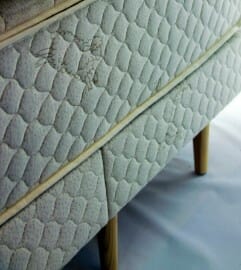
Mites may be small, but they can quickly become a big problem, especially if you have serious allergies. At FloBeds, we make our custom mattresses from 100 percent natural latex, which makes them less hospitable homes for mites. In addition, every FloBed has a top layer of organic cotton quilted to organic wool. You can unzip it now and then and hang it in the sun to help clear out mites near the surface.
Our fully personalized mattresses can help reduce allergic reactions and give you a better night’s sleep. Contact us today to learn more about a custom latex mattress.
Related Articles